
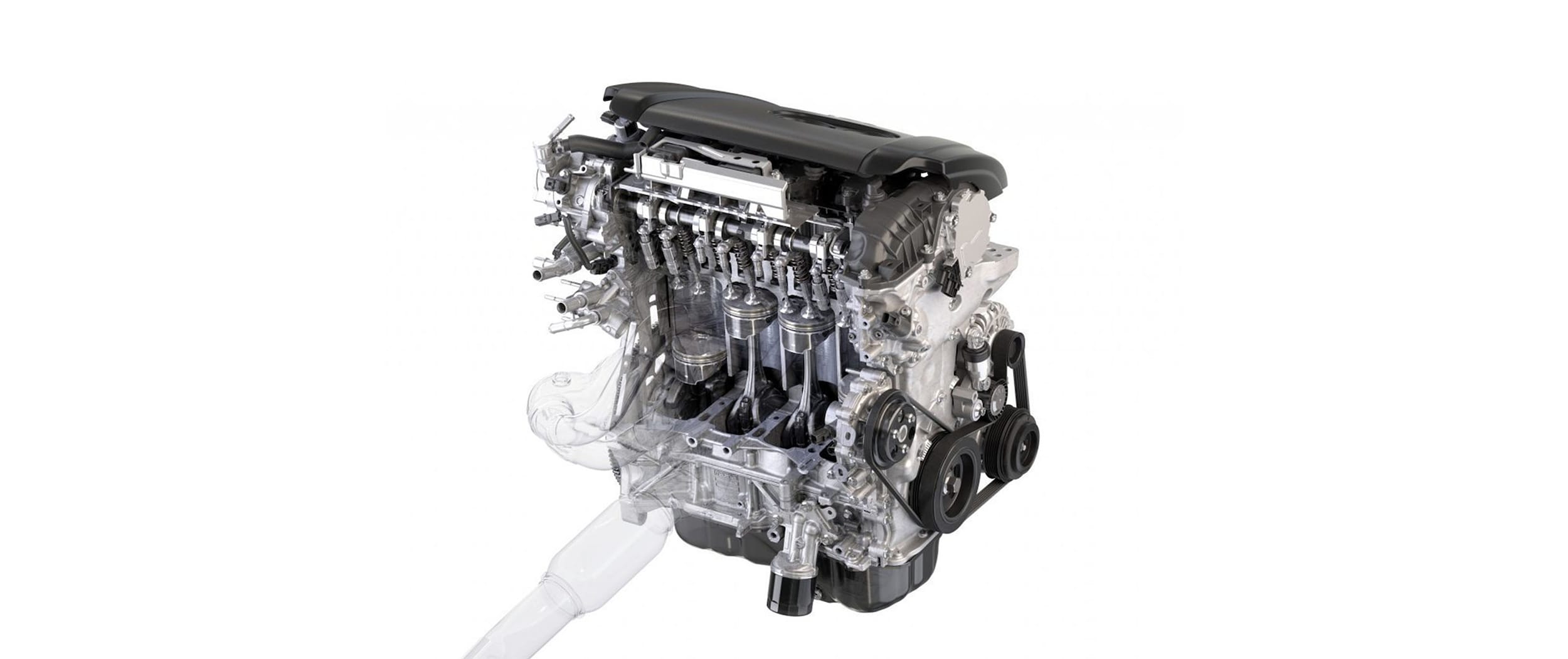
Mazda has been at the forefront of auto innovations for decades. And while the company didn’t invent the rotary engine, it refined it, and it was the first carmaker to use it extensively in its models. For the most part, the piston engine has taken over, and there are different reasons for this. Here Pearson Mazda explains the rotary engine vs piston engine and their key attributes.
How These Engines Work
The main difference between rotary and piston engines concerns their components. The moving parts in a rotary engine consist of a three-sided rotor, eccentric shaft, and gears, and the rotor spins on the shaft to generate power. Piston engines have a lot more parts, and these consist of cylinders, valves, camshafts, and timing chains. To get an engine going, the pistons move up and down, and this turns the central crankshaft.
Rotary Engine vs Piston Engine Performance Comparison
If you are looking for a car with a lot of muscle, one with a rotary engine can be a good choice, as these engines produce impressive power for their size and weight, along with high RPMs. Piston engines, however, typically produce fewer emissions, as they don't consume as much oil. Plus, because piston engines are now much more common, they are found in nearly every modern vehicle.
Test-Drive a MAZDA Model in Richmond, VA
While Mazda made cars with rotary engines for many years, its US lineup now consists of vehicles solely with piston engines. From these models you can still expect a lot of pop, and they always provide a fun and engaging driving experience. If you’re excited to see what these cars can do out on the road, come down to Pearson Mazda in Richmond, VA today — you have to feel the difference to truly understand.
